✅ 1. Stroke-Induced Paralysis
Cause: Disruption of blood supply to the brain leading to damage in motor-control areas, resulting in weakness or paralysis on one side of the body.
✅ 2. Spinal Cord Injury (SCI)
Cause: Trauma, fall, accident, or compression injuring the spinal cord and interrupting nerve communication between the brain and limbs.
✅ 3. Nerve Compression Paralysis
Cause: Pinching or severe irritation of peripheral nerves due to fractures, disc problems, entrapment, or swelling.
✅ 4. Neuropathy-Related Weakness
Cause: Nerve damage from diabetes, infections, toxins, or autoimmune disorders leading to gradual muscle weakness or paralysis.
✅ 5. Bell’s Palsy / Facial Paralysis
Cause: Inflammation or viral attack on the facial nerve causing sudden one-side facial drooping.
✅ 6. Parkinson’s & Neurodegenerative Weakness
Cause: Loss of dopamine-producing cells or progressive neurological diseases leading to stiffness, tremors, and mobility difficulty.
✅ 7. Post-Surgery Paralysis or Weakness
Cause: Nerve injury or prolonged immobilization after neurosurgery, spine surgery, or orthopaedic procedures.
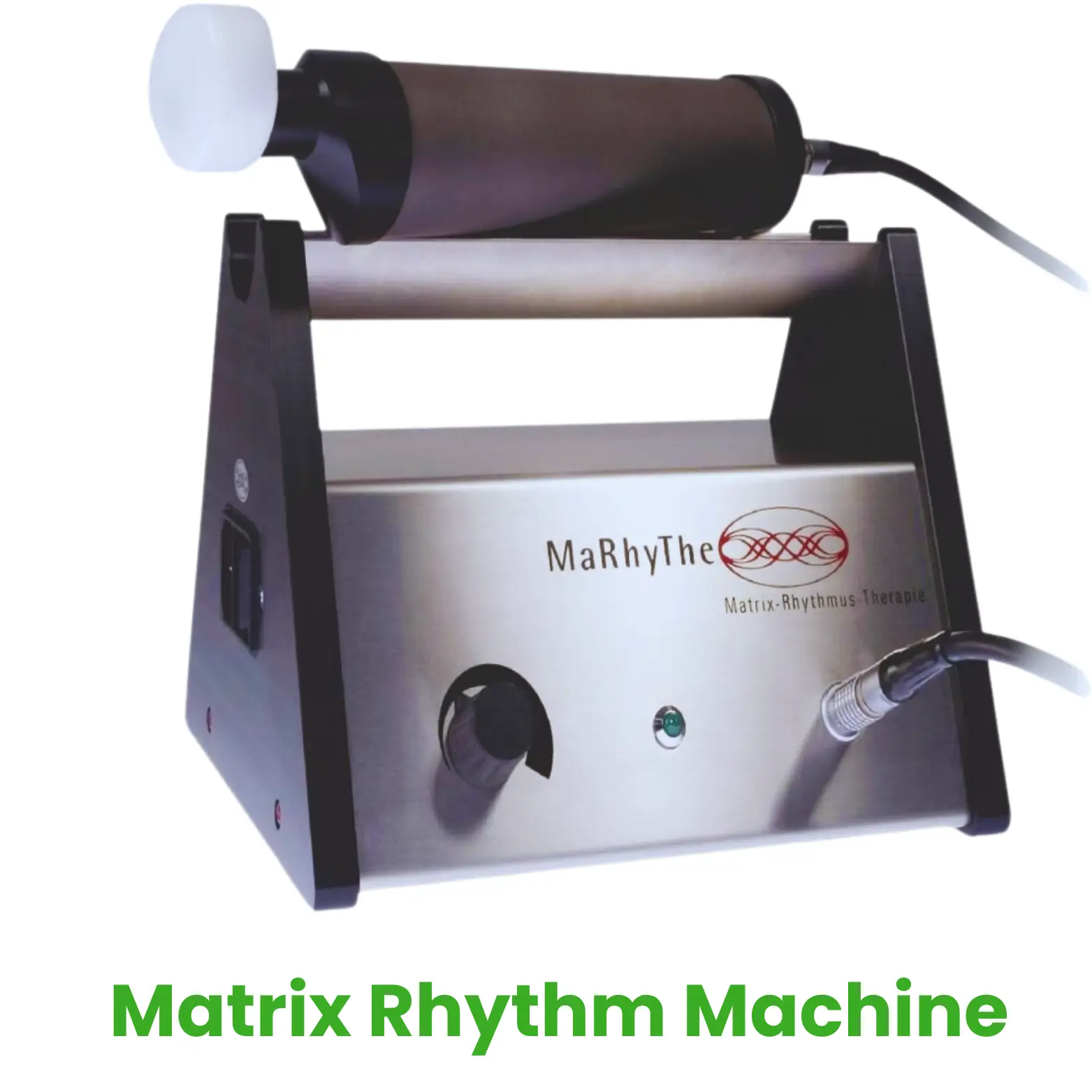
Delivers rhythmic micro-vibrations at 8–12 Hz to normalize cellular movement, restore tissue flexibility, and reduce nerve tension.
A. Releases spasticity and rigid muscles
B. Improves nerve conduction and blood circulation
C. Enhances mobility in stroke & SCI patients
D. Reduces facial nerve inflammation in Bell’s Palsy
E. Improves limb coordination & muscle activation
F. Helps restore normal movement patterns
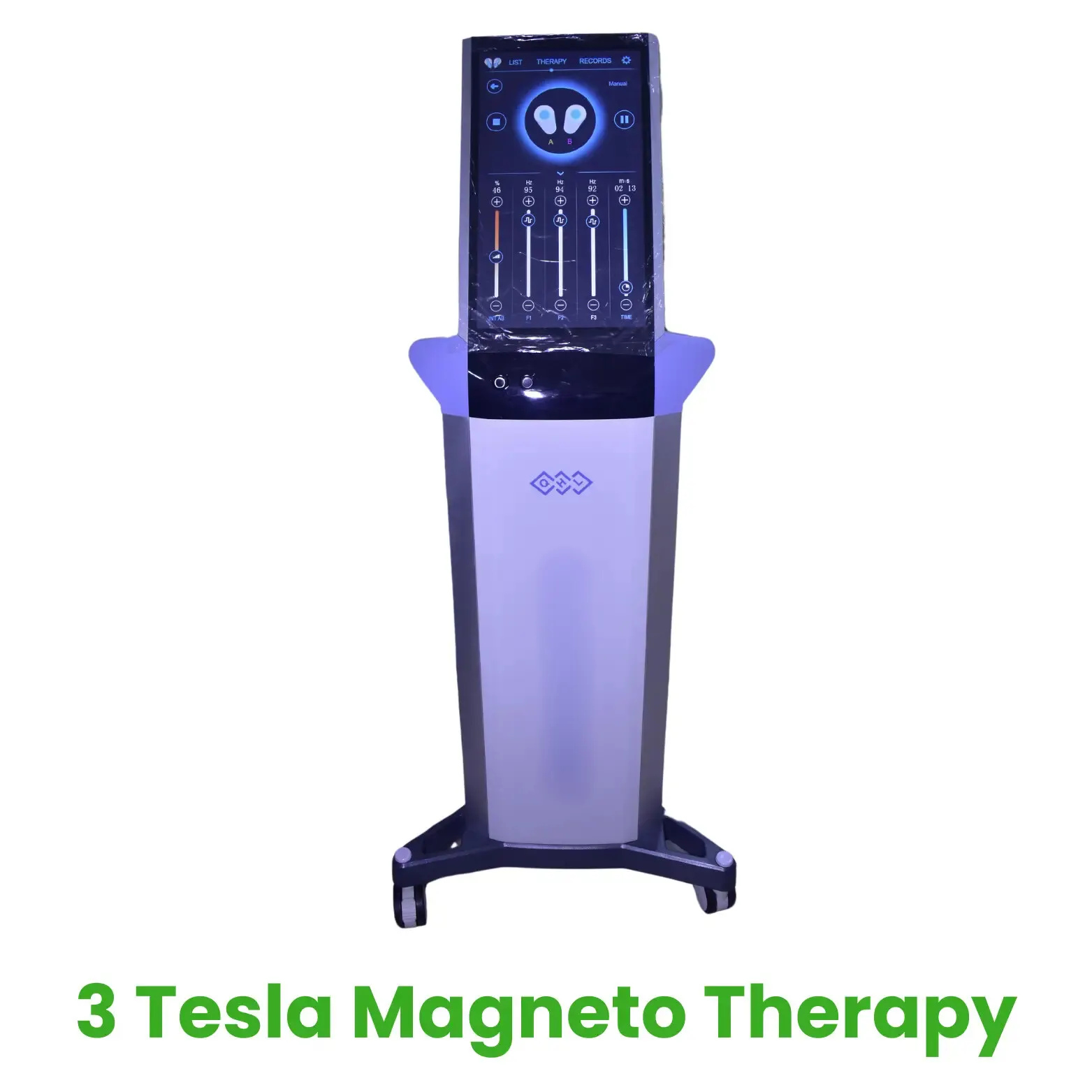
Applies high-intensity magnetic pulses (up to 3 Tesla) to stimulate deep muscles and nerves without pain.
A. Activates weak or non-functioning muscles
B. Improves nerve regeneration and neuromuscular connection
C. Reduces neuropathic pain & nerve inflammation
D. Enhances balance, mobility, and gait in paralysis patients
E. Boosts muscle strength without strain
F. Accelerates recovery in post-stroke & nerve injuries
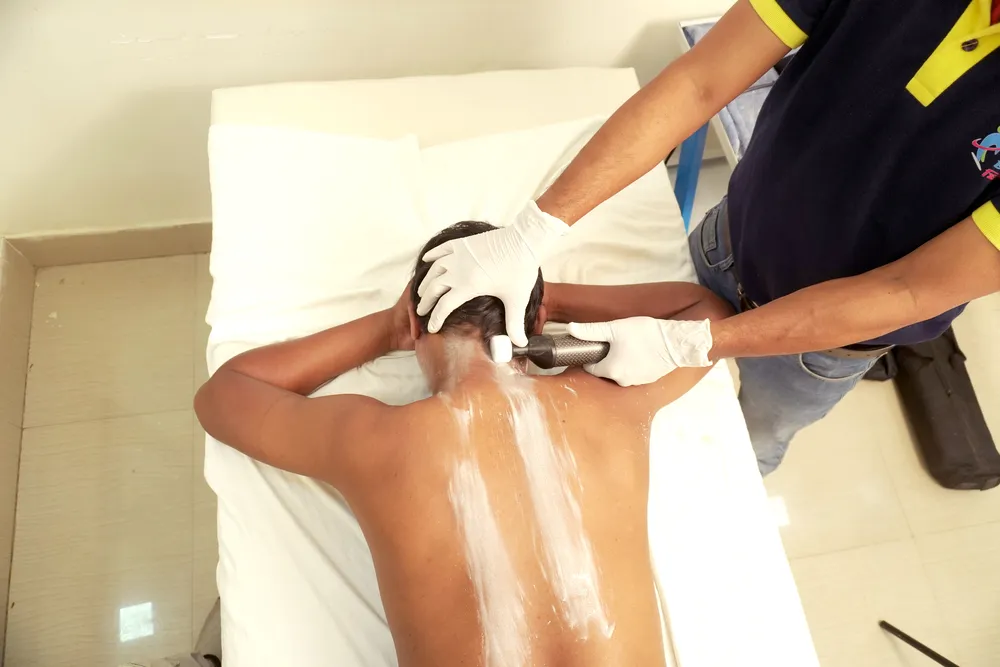
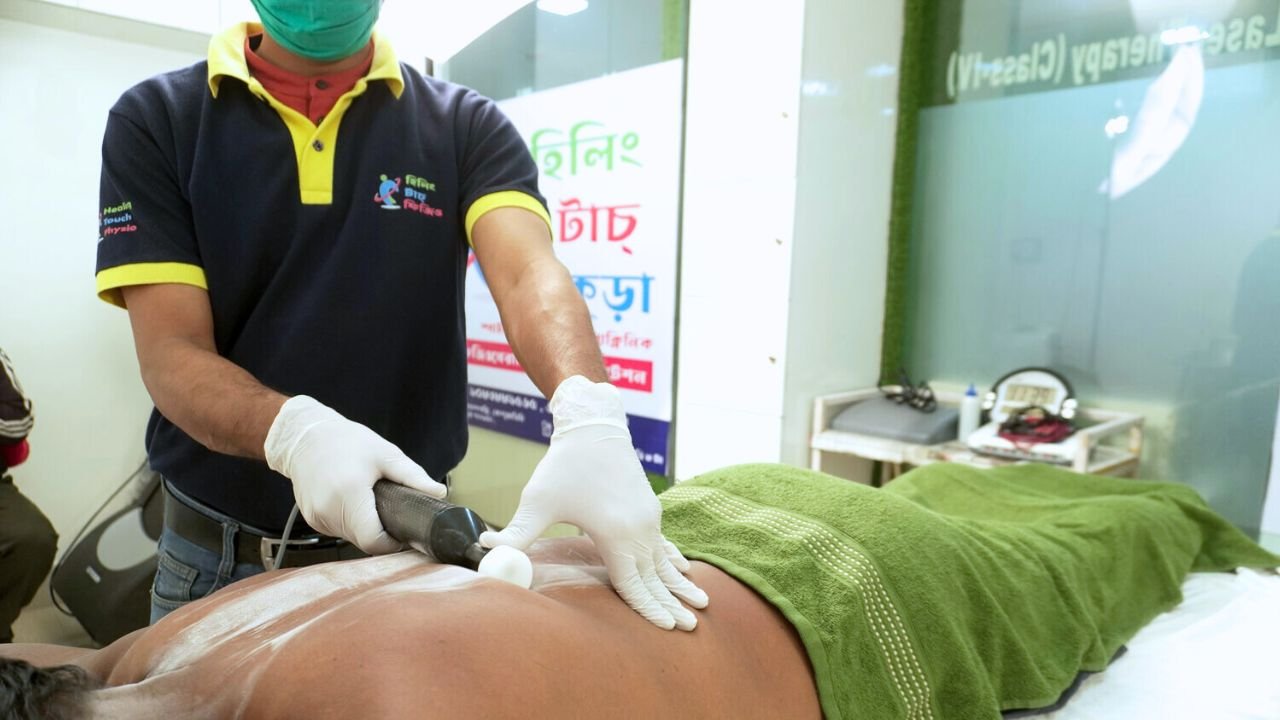


Healing Touch Bankura provides specialized neuro-rehabilitation for patients with paralysis, nerve injuries, stroke, and mobility disorders.
This integrated approach not only improves paralysis recovery but also helps patients regain independence and confidence.
Recognizing the common symptoms and signs of paralysis is crucial for early detection and intervention. Common symptoms of stroke paralysis include:
At Healing Touch Pain Clinic, Physiotherapists will use a combination of latest techniques, modalities, exercises and assistive equipment to enhance stroke rehabilitation.
There is no appropriate time that can be predicted for the patient to recover. Some patient recovers in no time while some patients require longer time depending upon the severity of the stroke and demonstration of symptoms. Patient rehabilitation protocol may keep on changing depending upon the movement relearned and capability of mastering the new learning. With continuing practice, the patient can gain progression over time.
Here are some of the key physiotherapy treatments used to address stroke-induced paralysis: Matrix Rhythm Therapy, Magneto Therapy and FDM Therapy
Healing touch physio Bankura is one of the most Effective pain & Advanced Neuro Clinic in India. We provide the best technology for ( US FDA-approved machines and the most advanced research-based technology) for Treatment for faster recovery & healing with a non-surgical approach.