
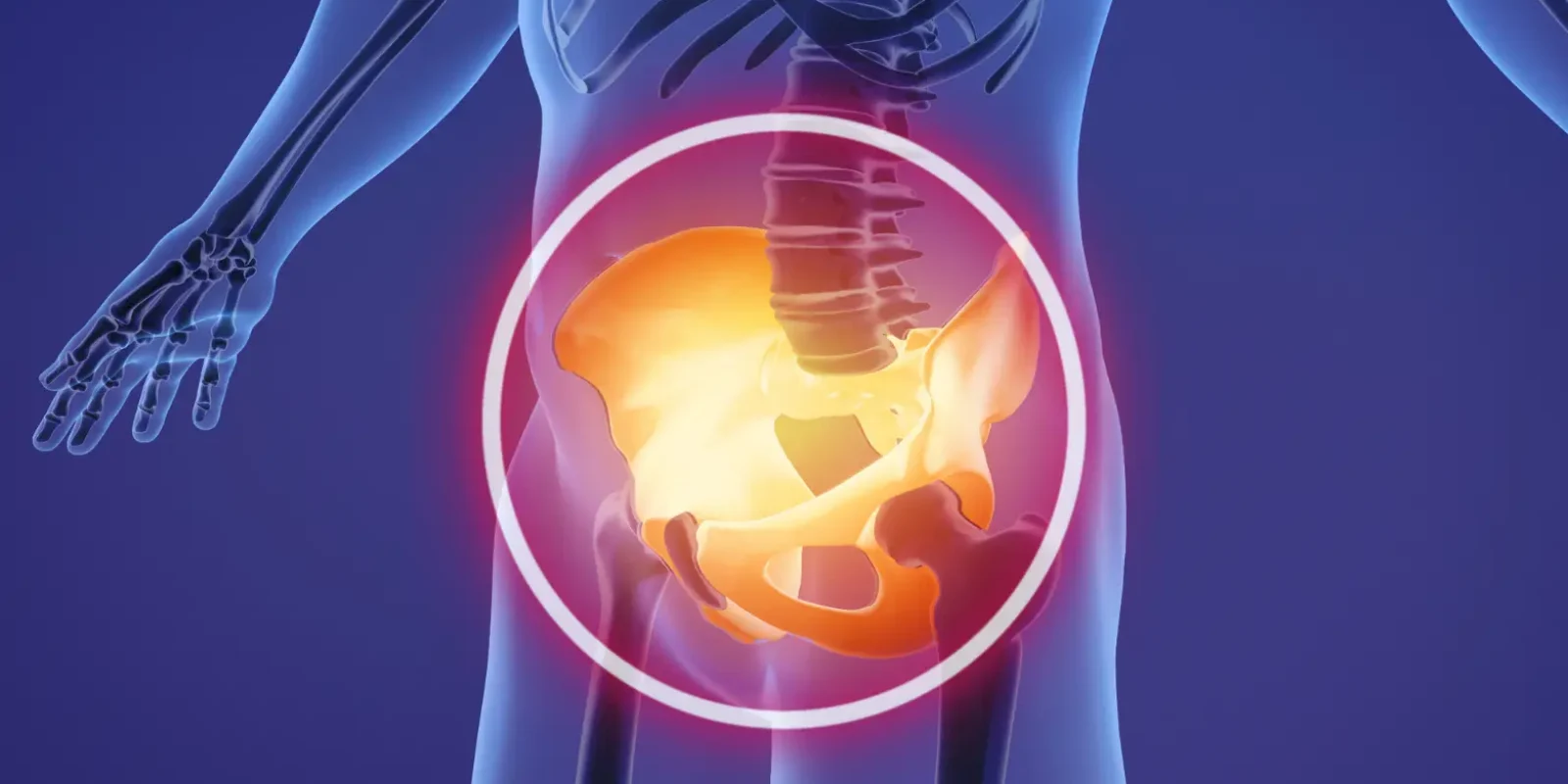
Understanding Pelvic Floor Dysfunction Pelvic floor dysfunction (PFD) is a common condition that affects both men and women. It occurs when the muscles of the pelvic floor become weak, tight, or have difficulty coordinating. PFD can lead to a range of symptoms, including urinary incontinence, fecal incontinence, pelvic pain, and sexual dysfunction. Healing Touch Bankura Physiotherapy Clinic’s Approach At Healing Touch Bankura Physiotherapy Clinic, we offer specialized pelvic floor therapy to address a variety of PFD conditions. Our experienced physiotherapists utilize evidence-based techniques to help patients improve pelvic floor function, reduce symptoms, and enhance overall quality of life.
✅ 1. Pelvic Floor Muscle Weakness
Cause: Pregnancy, childbirth, aging, hormonal changes, or prolonged straining leading to weak and unsupported pelvic muscles.
✅ 2. Urinary Incontinence (Stress / Urge / Mixed)
Cause: Weak pelvic floor muscles or poor nerve control causing leakage during coughing, sneezing, running, or sudden urges.
✅ 3. Pelvic Pain Syndrome
Cause: Tight, overactive, or inflamed pelvic muscles due to stress, posture imbalance, surgery, or chronic strain.
✅ 4. Pelvic Organ Prolapse
Cause: Pelvic floor laxity leading to bladder, uterus, or rectum descending into the vaginal canal due to childbirth or age-related muscle weakening.
✅ 5. Postpartum Pelvic Recovery Issues
Cause: Muscle overstretching, nerve strain, episiotomy scars, or C-section restrictions reducing pelvic stability and strength.
✅ 6. Constipation & Bowel Dysfunction
Cause: Dysfunctional pelvic muscles or poor coordination affecting normal bowel movement.
✅ 7. Sexual Dysfunction (Male & Female)
Cause: Tight or weak pelvic muscles affecting blood flow, nerve signaling, and muscle coordination.
Uses high-intensity magnetic pulses (up to several Tesla) to stimulate deep pelvic muscles and nerves without pain or invasive procedures.
A. Strengthens weak pelvic floor muscles
B. Improves bladder control & reduces urinary leakage
C. Enhances neuromuscular activation after childbirth
D. Relieves chronic pelvic pain & muscle tightness
E. Helps in sexual function improvement
F. Supports recovery from pelvic organ prolapse symptoms
Includes tailored exercises, relaxation techniques, breathing training, biofeedback, posture correction, and core strengthening.
A. Improves muscle coordination & control
B. Restores balance between weak and tight muscles
C. Reduces pelvic pressure, heaviness, and discomfort
D. Helps regain functional movements needed for daily life
E. Supports postpartum recovery
F. Improves overall pelvic stability and mobility

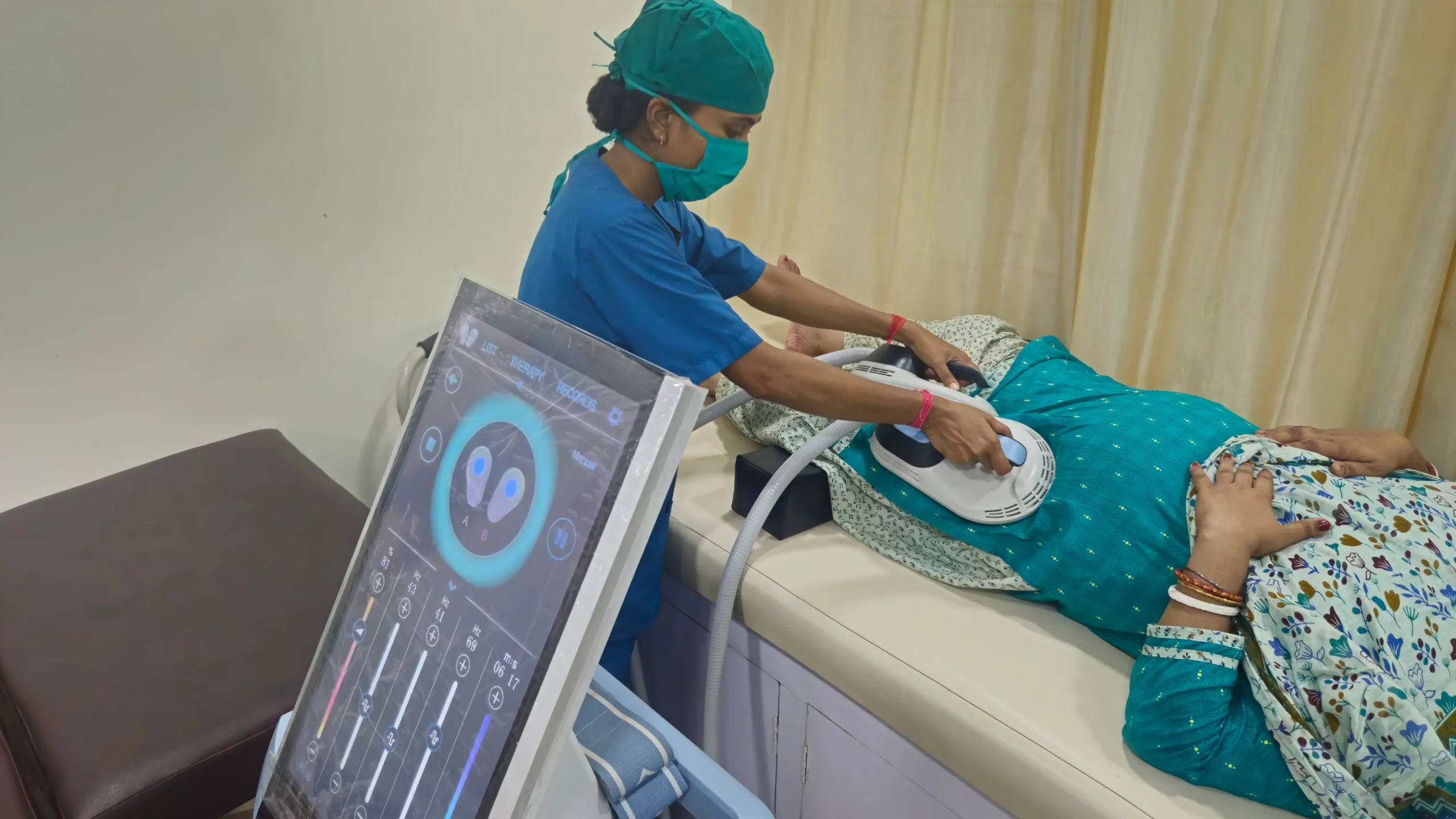
Healing Touch Bankura provides comprehensive pelvic floor therapy combining advanced Magneto Therapy with expert physiotherapy.
This integrated approach helps patients regain confidence, comfort, and long-term pelvic health.
Pelvic floor therapy is generally not painful. Our therapists will work with you to ensure a comfortable and effective treatment experience.
Yes, both men and women can experience PFD. Men may experience symptoms such as erectile dysfunction, urinary incontinence, or pelvic pain.
The duration of pelvic floor therapy varies depending on the severity of the condition and individual factors. Regular follow-up appointments are important to monitor progress and adjust treatment as needed.

Healing touch physio Bankura is one of the most Effective pain & Advanced Neuro Clinic in India. We provide the best technology for ( US FDA-approved machines and the most advanced research-based technology) for Treatment for faster recovery & healing with a non-surgical approach.